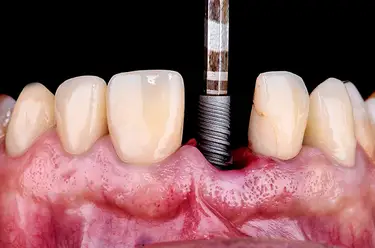
Zirconia, which is a biocompatible form of the metal zirconium.

Last Reviewed 28 October 2026
Medically reviewed by Dr Mark Flynn, Founder & Principal Dentist, Dental Team
Ceramic Dental Implants: What They Are, How They Work, and Who They're For
Table Contents
Table Contents:

Dr Mark Flynn Explains Dental Implants & The Procedure At The Modern Dentist
Ceramic dental implants are a metal-free alternative to titanium, made from a strong, tooth-coloured material called zirconia.
They're often chosen for their natural appearance, or by patients with a sensitivity to metal.
Traditional titanium implants are still the go-to, with decades of evidence behind them, but ceramic is a solid option for the right case.
What Are Ceramic Dental Implants?
A dental implant is the screw that sits in the jawbone as a substitute tooth root, not the crown you see above the gum.
For a ceramic implant, the screw is made from zirconia.
Zirconia is the crystalline oxide of the metal zirconium, also known as zirconium oxide or zirconium dioxide.
Dentists have used zirconia for years for crowns and bridges, but using a zirconia implant itself is relatively new.
The treatment process is the same as for a titanium implant.
Your dentist prepares the site and places the implant before waiting several months for the bone to fuse around it.
After that, the custom crown can be attached.
If you've heard of 'metal-free dental implants' or 'holistic dentistry', it refers to the same treatment.
Thinking About Dental Implants?
Book a free, no-obligation consultation and we'll talk you through dental implant options.
5.0Google reviews
Dental clinic in Shoreditch, London

Ceramic Vs. Titanium Dental Implants
Titanium implants have been used for decades, so dentists know how they perform, and the success rates are high and consistent.
Ceramic hasn't been around nearly as long, so the evidence is a little thinner.
But this doesn't mean it's any worse; it's just newer.
Metal allergies are often given as the reason for choosing ceramic, though a genuine titanium sensitivity is rare.
Most patients tolerate titanium well, and many choose ceramic for its appearance instead.
Ceramic Implants | Titanium Implants | |
|---|---|---|
Material and colour | Zirconia, white | Metal, grey |
Metal-free status | Yes | No |
How well it bonds with bone | Good so far, seems comparable to titanium | Proven to bond reliably |
Track record | Still building, with fewer years of results to draw from | Long-established, with predictable outcomes over several years |
Allergy or sensitivity risk | Very low | Rare, but possible |
Design flexibility | Limited, mainly one-piece | High, offers versatility with two-piece systems |
Suitability for complex cases | Limited | Well-suited |
Typical UK cost | £2,600 to £5,500 per tooth | Often lower than ceramic |
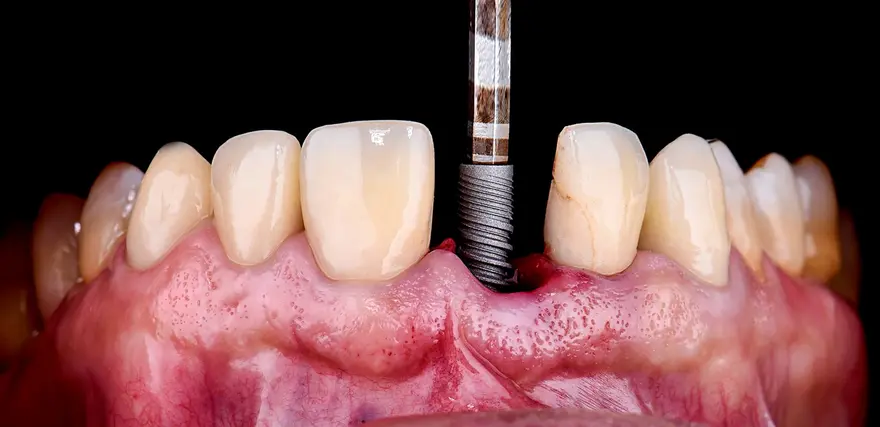
A titanium implant is grey metal, which can show through thin gum tissue. Zirconia is white.
Benefits Of Ceramic Dental Implants
The most noticeable benefit of ceramic dental implants is colour.
Zirconia dental implants are white, not grey, so there’s no risk of a dark shadow showing through thin gum tissue the way there can be with titanium.
This matters most on a visible front tooth.
The result blends in with the surrounding teeth far more convincingly.
If going completely metal-free matters, ceramic gives you that with no exceptions.
Allergic reactions to zirconia are rare, which makes it a dependable choice if you have a known (or suspected) metal sensitivity.
It also resists corrosion well in the mouth.
Some early research also suggests zirconia attracts less bacterial plaque than titanium, which may benefit gum health over time, though this isn’t yet the established consensus among researchers.
Ceramic is a good alternative where titanium isn’t suitable, or where a patient wants to avoid metal altogether.
Dr. Mark Flynn
Thinking About Metal-Free Implants?
Book a free, no-obligation consultation and we'll talk you through ceramic and titanium options.
5.0Google reviews
Dental clinic in Shoreditch, London
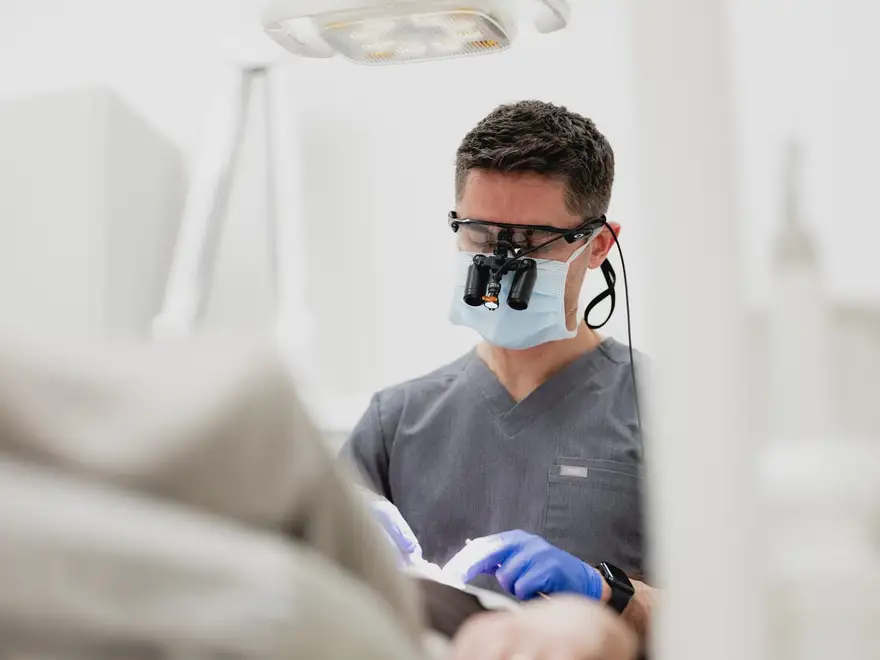
Dr. Mark Is Giving Dental Implant Treatment.
Limitations Of Ceramic Dental Implants
Ceramic implants aren't the right fit for every case, and there are a few trade-offs to weigh up:
Long-term data is still developing, with nowhere near the 20-year studies that exist for titanium
One-piece designs leave little room for angle adjustments or customisations
Two-piece ceramic systems exist but have even less long-term evidence
Less versatile for complex cases
Fewer dentists are trained in ceramic placement
Higher cost than titanium
Greater risk of fracture under high-load situations
One-Piece Vs. Two-Piece Ceramic Implants
There are two main ceramic dental implant designs:
One-piece: implant and abutment as a single unit, simpler, fewer bacterial entry points, less adjustable after placement
Two-piece: separate abutment allows more flexibility, better for complex angulation, but the connection point needs careful hygiene management.
Evidence for two-piece ceramic systems is currently more limited than for one-piece
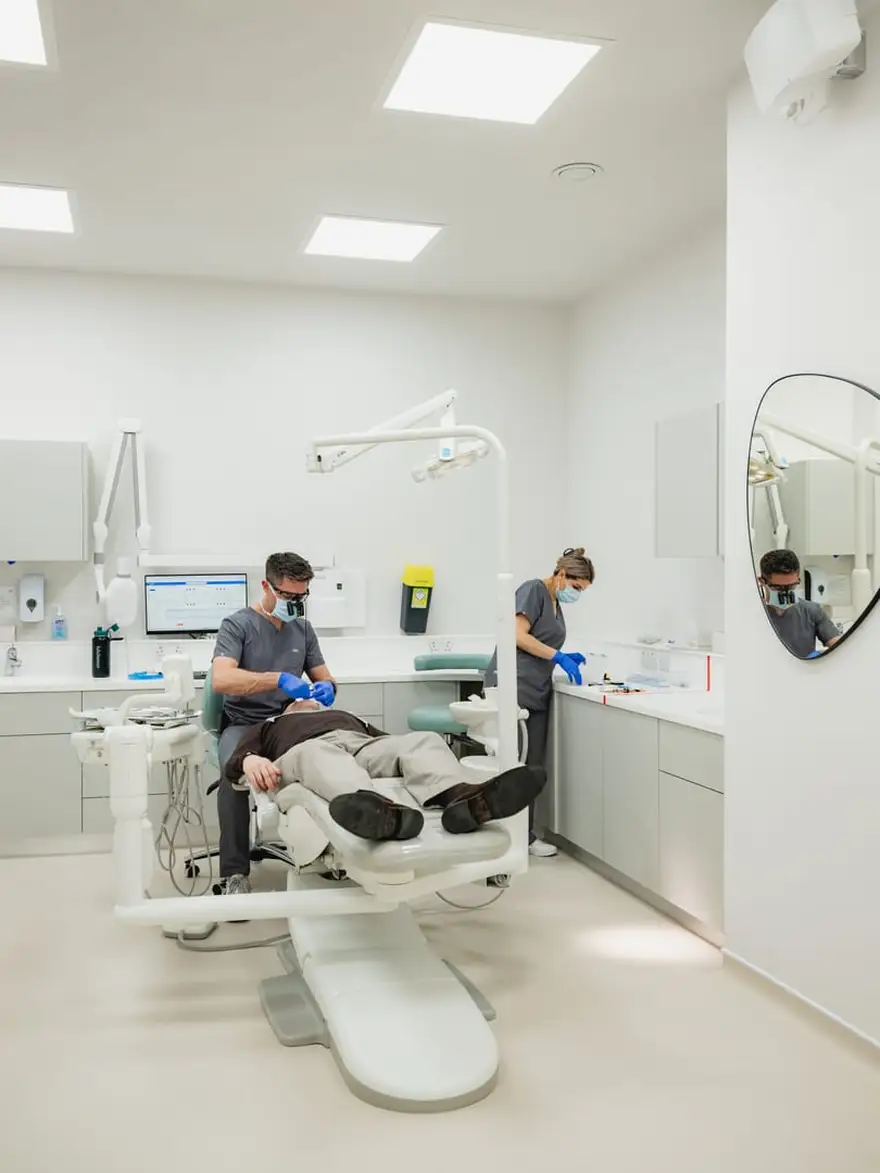
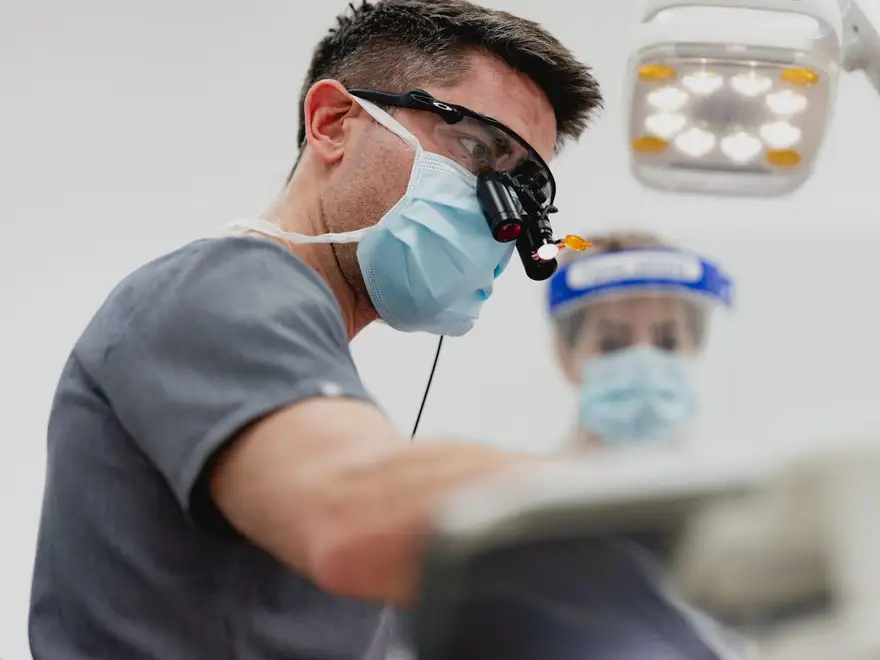
Dr. Mark Is Giving Dental Implant Treatment.
Cost Of Ceramic Dental Implants in the UK
Ceramic implants typically cost between £2,600 and £3,500 per tooth in the UK, generally more than a titanium implant.
The difference comes down to two things: ceramic components are more expensive to produce, and placing them takes additional specialist training.
Because prices vary between clinics, always check what's included in the price you’re given, using the table below as a guide:
Item | Typically included? |
|---|---|
Consultation | Often free |
CBCT scan | Often charged separately |
Implant placement | Usually included in the quoted implant price |
Abutment | Confirm whether this is billed separately |
Crown | Often a separate cost |
Bone grafting | Additional cost if needed |
Follow-up appointments | May or may not be included |
Warranty terms | Varies by clinic |
Who Is Suitable For Ceramic Dental Implants?
Ceramic dental implants tend to suit patients with:
Confirmed or suspected metal sensitivity
A preference for avoiding metal restorations
Front teeth or visible areas where thin gum tissue risks a titanium implant showing through
Good bone volume and a straightforward implant site
They're less suited to:
Significant bone loss, or implants needing a tricky angle
A history of teeth grinding or clenching
Full-arch cases or multiple angled implants
Conditions affecting healing, such as uncontrolled diabetes, certain osteoporosis medications, or heavy smoking
What Does Ceramic Implant Treatment Involve?
Ceramic implant treatment follows the same stages as a titanium implant: consultation and examination, then a CT scan to plan the implant’s exact position.
Any extractions or bone grafting need to happen first, then the implant is placed under local anaesthetic.
A healing period follows, during which the implant fuses with the bone.
Be cautious of any clinic that suggests that the healing process can be sped up.
Once healing's complete, the final crown is fitted, and the bite is checked, with long-term maintenance continuing from there.
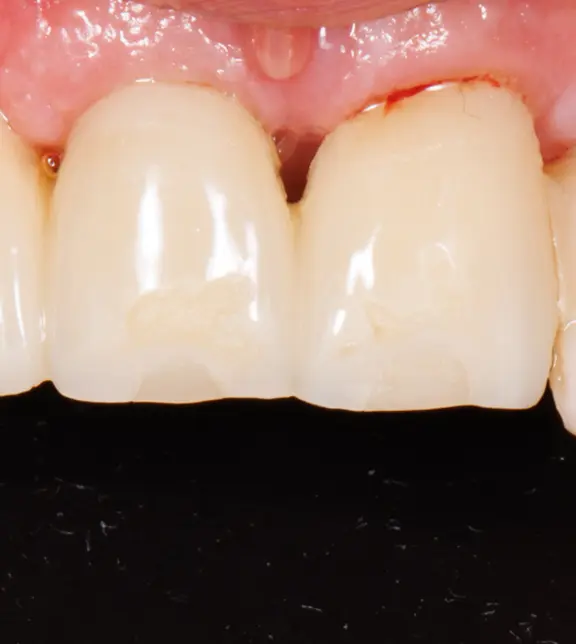

Deborah - Implants — View Close Up
How To Care For Ceramic Dental Implants
Ceramic dental implants are cared for in the same way as your natural teeth:
Brush daily with a soft brush
Clean between teeth with interdental brushes or floss
Keep up with regular hygiene appointments and implant maintenance reviews
Watch for bleeding, swelling, discomfort, or looseness, and see your dentist straight away
Avoid habits like grinding or biting hard objects, and ask about a night guard if grinding is ongoing
Are Ceramic Implants Right For You?
Ceramic is a good alternative where titanium isn’t suitable, or a patient wants to avoid metal altogether.
At The Modern Dentist, we'll talk you through both options and recommend the best one suited to you.
Take A Tour Of Our Shoreditch Clinic For Your Dental Implant Treatment
Not Sure Which Implant Is Right For You?
We'll assess your bone, gums and bite, and recommend the option that suits you best.
5.0Google reviews
Dental clinic in Shoreditch, London
Medically reviewed by Dr Mark Flynn
Founder & Principal Dentist, Dental Team
You Might Also Be Interested In
Book your free consultation.
We'll assess your situation and answer all your questions!
